In a congested metropolis like Los Angeles, known nearly as much for its freeways and traffic as for being the home of the entertainment industry, it can be hard to believe that it’s possible to immerse yourself in thousands of acres of nature.
But that is indeed the case, thanks to the 4,210-acre Griffith Park, one of the most famous urban greenspaces in the United States.
Established to serve as an antidote to the city, Griffith Park is comparable to New York City’s Central Park and San Francisco’s Golden Gate Park. But it also differs in important ways. Griffith Park is more wild and less manicured than its well-known counterparts, and its rugged, untamed beauty is exactly what nature lovers like myself find so appealing.
For tourists and residents alike, Griffith Park (sometimes referred to as the heart and lungs of LA) offers a peaceful, nature-filled getaway and one that comes with fascinating history to boot.
Plants in Griffith Park
Griffith Park is remarkable and, unlike many other urban green spaces, largely because much of it remains nearly the same as it did when Native American villages occupied part of the land. The park is also unique because of its rare ecosystems, said to date back to before Colonial days, still preserved within park borders.
Located in the eastern Santa Monica Mountain range, Griffith Park ranges in elevation from 384 to 1,625 feet above sea level. In that space, you can find all manner of plants, including:
Coastal sage scrub
Walnut woodlands
Oak woodlands
Riparian vegetation
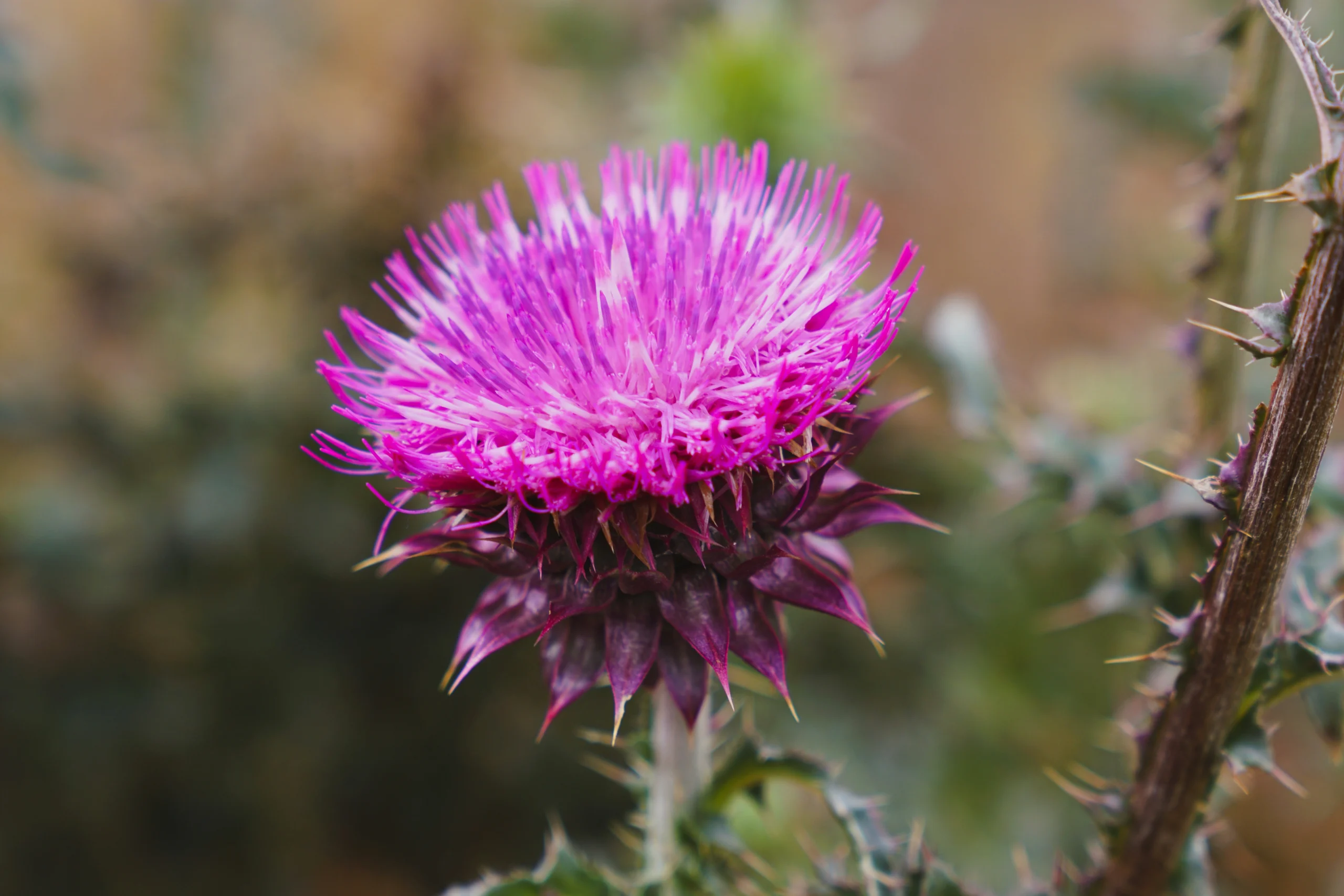
The variety of California native plants in Griffith Park also includes lilac, mountain mahogany, sage, toyon, and sumac trees. There are also small amounts of threatened tree species here, such as manzanita and berberis. In total, more than 150 plant species have been identified within the park’s borders, including wildflowers, ferns and vines.
Animals in Griffith Park
It’s not just plants that nature lovers come to Griffith Park to see, of course. There are plenty of mammals that roam this urban gem and make their home here as well, including mule deer, coyotes, raccoons, gray foxes, opossums, skunks, lizards, and even mountain lions (though they’re extremely rare).
Not to be overlooked, two unique butterfly species inhabit the park: the black, white, and orange California sister and the lime-green bramble hairstreak.
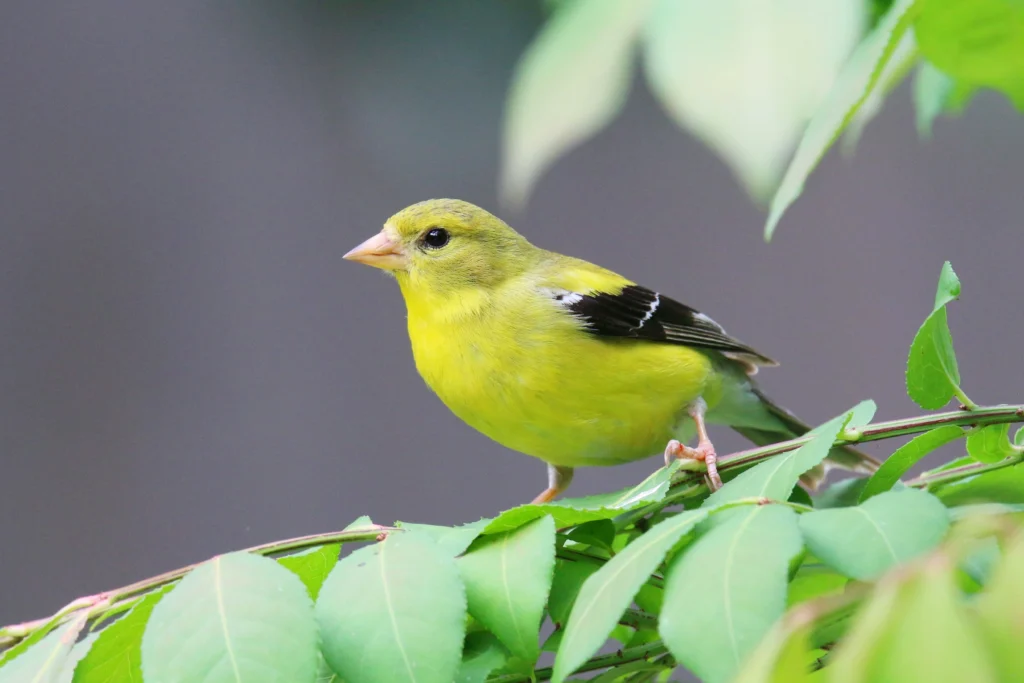
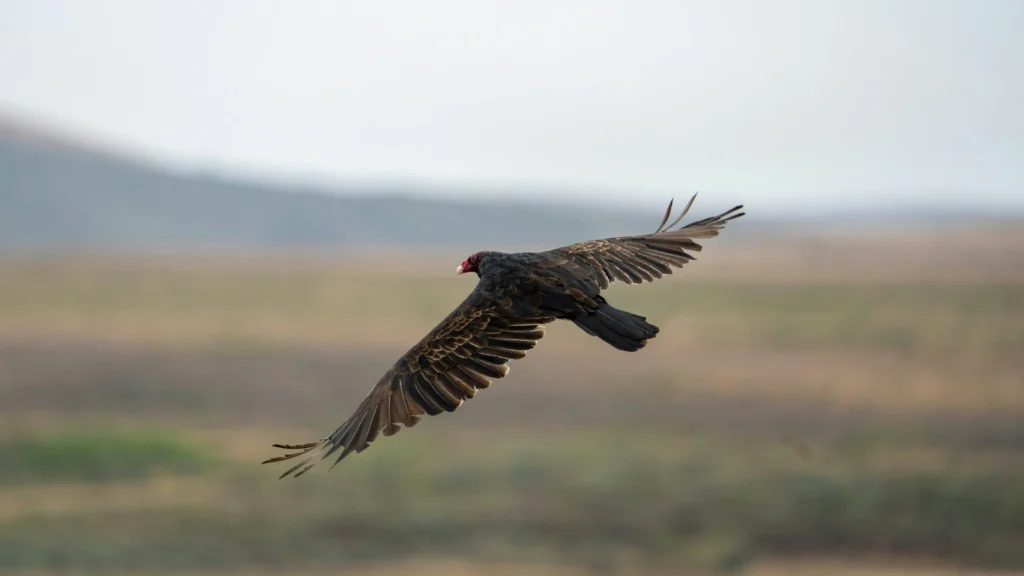
And for bird lovers like myself, here’s the best part: Griffith Park is home to over 200 species, according to ornithologists. In fact, the park is a vital stopover in a vast urban metropolis for migrating birds and provides habitat for wintering birds.
Outdoor recreation in Griffith Park
Amid Griffith Park’s 4,000-plus acres, there’s plenty of opportunity for recreation of all types. For families visiting with children in tow, pony rides are available and there are children’s playgrounds.
There are also two golf courses located within the park and areas designated for soccer, baseball, softball and badminton. Biking is another popular activity in the park, thanks to its miles of bike trails (bike rentals are available on-site). And if you’re a horse owner, there are also specially marked horseback riding trails.
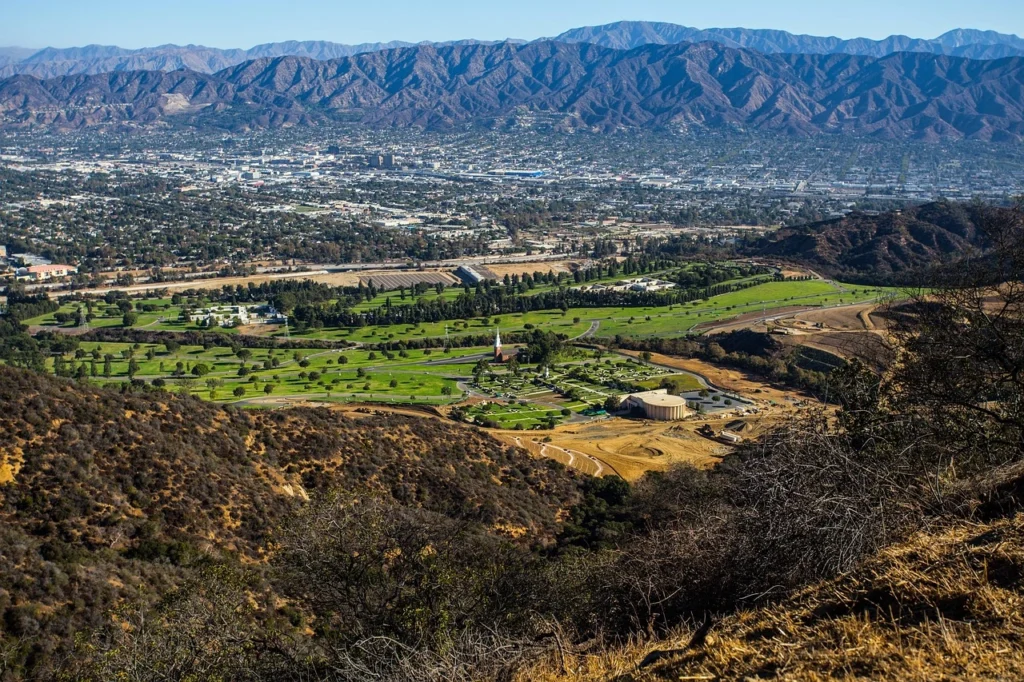
But the most common recreational activity here is simply hiking and walking around the park. And for good reason, there’s a 53-mile network of trails, along with fire roads and bridle paths to be explored. The trails here allow hikers to escape into rugged, barely developed swaths of nature.
It’s amazing that this is all possible even within the boundary of a city of nearly 4 million residents — a place surrounded by dozens of skyscrapers.
There are some truly spectacular hikes within the park, so bring your backpack, hiking shoes, trail snacks and water. Find their hiking trail map on the Griffith Park website.
Note: Read ahead for tips on specific trails to visit with stunning views.
Best Griffith Park views
There are beautiful viewpoints throughout Griffith Park to explore, and some are easier to reach than others. The good news is that there are options for visitors of all abilities.
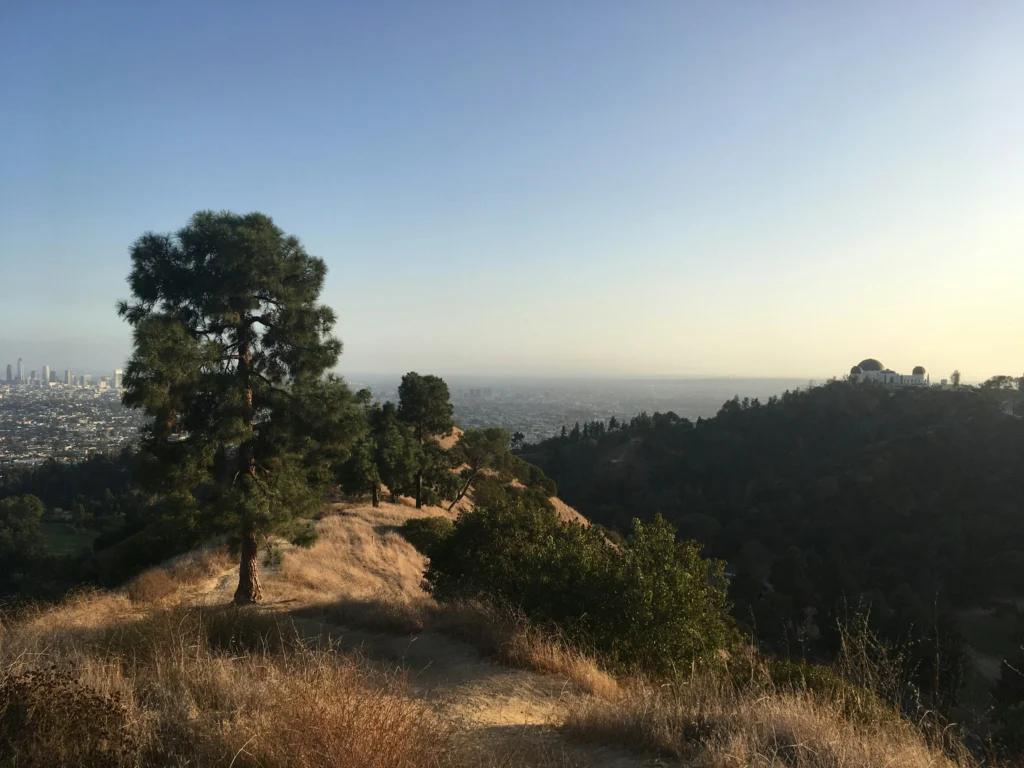
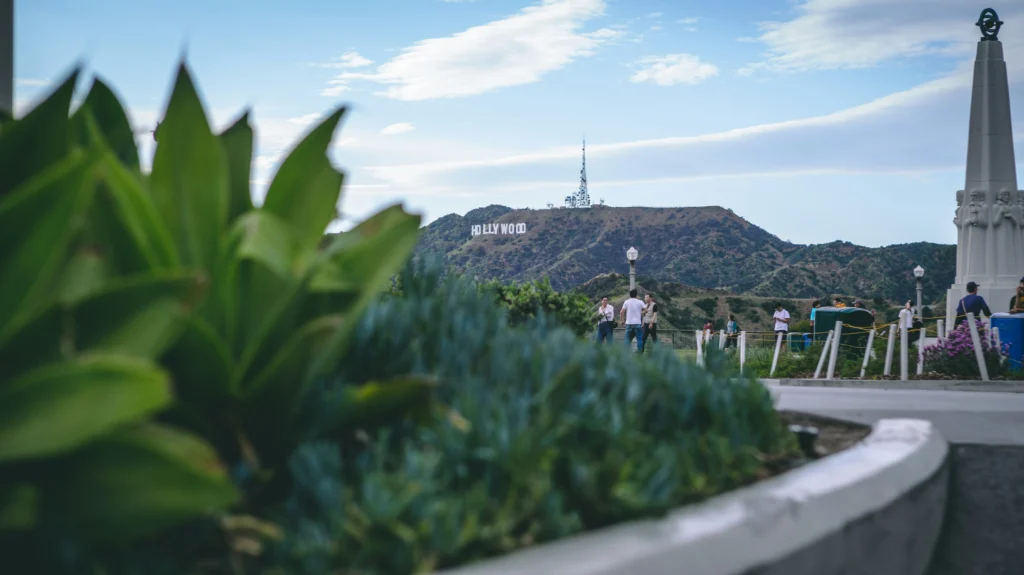
The Griffith Observatory: One of the most iconic places to take in the spectacular views Griffith Park has to offer is from the Griffith Observatory. Perched on a bluff above the Los Feliz neighborhood, from here you can see the legendary Hollywood Sign, as well as the city of Los Angeles below and the Pacific Ocean further on the horizon. The best part? You can drive right up to the observatory in your vehicle, making it highly accessible.
Mount Hollywood Trail: The Mount Hollywood Trail is the most well-known hike in Griffith Park and for good reason (hint: the views). This trail takes you to the top of Mount Hollywood, which is not to be confused with the mountain where the legendary Hollywood Sign is located. But this three-mile round-trip trek brings you to a peak that provides outstanding views of Mt. Lee, which is the location of the Hollywood Sign. From here, you’ll also be able to take in the LA Basin, and if you’re lucky, and the weather is clear enough, you might even spy the Pacific Ocean on the horizon. The Mount Hollywood trailhead is located at the back corner of the Griffith Observatory parking lot.
Wisdom Tree Hike: Yet another option for exploring some of Griffith Park’s stellar views, the popular 1.8-mile Wisdom Tree Hike takes you to the much-photographed (and very Instagrammable) Wisdom Tree. In case you’re not familiar, this is the only tree not burned to the ground by the Barnham fire in 2007. This hike also rewards you with views of Los Angeles and the surrounding mountains, and if you’re game, you can hike another 1.4 miles from here to reach Cahuenga Peak and the Hollywood Sign.
These three locations for exploring the views in Griffith Park are merely the tip of the iceberg. As mentioned earlier, there’s a 53-mile network of trails through the park, so pack some sunblock, water and comfortable shoes and plan to spend plenty of time exploring.
Photo tips
If it’s memorable photos you’re after when exploring Griffith Park, there are plenty of options on this front as well. The Griffith Observatory is a great place to start.
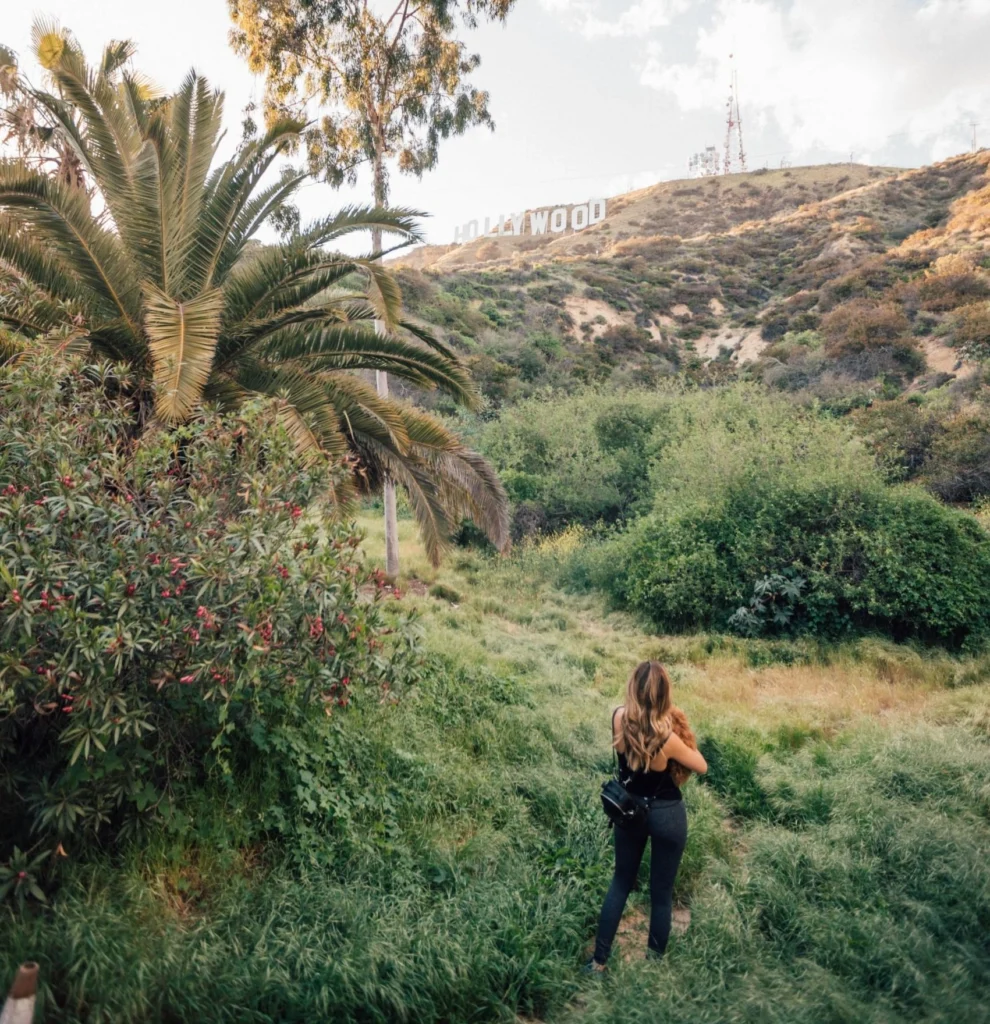
From the decks surrounding the outside of the observatory, you can take a great selfie with the Los Angeles skyline or the Hollywood Sign in the background.
As you’re walking around outside the observatory, don’t miss taking a photo of the James Dean bust on the west side of the observatory lawn with the Hollywood Sign in the background (another popular and fun only-in-Los-Angeles image). The memorial to Dean here commemorates the observatory’s appearance in Dean’s film Rebel Without a Cause.
If you’d like to snag a photo of the full observatory structure itself, head over to the nearby Charlie Turner Trailhead and hike up the trail a few yards. Keep going a little further around the bend on this trail to shoot the observatory from the side for another great image. Even better, wait until dusk or slightly after sunset to capture the Los Angeles city lights behind the observatory.
Tips for visiting
Visiting Griffith Park is free and that includes entrance to the Griffith Observatory. If you’re planning to go without a guide, it’s a good idea to download a park map in advance and check any areas that may be closed. If you’re cycling, check out the map of the park’s bikeways.
There are many ways to get to the park, including public transportation, which can be a good bet as the park can get congested and parking is hard to find. This is especially the case on weekends, major holidays and throughout the course of the summer.
The DASH Observatory shuttle is the official transit option for accessing the park and can be picked up at the Sunset/Vermont Metro Station in Los Angeles. The shuttle takes visitors throughout the park to many of its popular locations including The Greek Village, Mt. Hollywood hiking trail and the Griffith Observatory.
If you do plan on driving, know that the public parking around Griffith Observatory is paid parking, and it’s enforced daily year-round, including holidays.
Griffith Park history
As you’re snapping all those panoramas and selfies, you might not think twice about the park’s history, but there’s a fascinating if somewhat disturbing story behind the wealthy LA figure who gave the park its name. Have you heard of Colonel Griffith J. Griffith?
An immigrant from South Wales, Griffith amassed his fortune in the United States as a consultant to mine owners and through a marriage to an heiress. As his wealth grew, Griffith purchased a 4,071-acre swath of land in Los Angeles during the frontier days, known as Rancho Los Feliz.
In December 1896, Griffith gifted 3,015 acres from his ranch to the city with the hopes that it could serve as a place where the “plain people” of the city would enjoy the outdoors. Some, however, have said that Griffith’s generous donation was not necessarily driven by altruism but was instead a tax scheme.
While both the park and the famed Griffith Observatory are named to honor their benefactor, Griffith’s legacy is forever marred by crime. In 1903, he shot his wife in the face and spent two years in jail for the crime. His defense attorney pleaded temporary insanity induced by alcohol. Griffith had been a heavy if secret drinker and believed his wife was involved in a Catholic conspiracy.
As for the parkland he donated, it’s been impacted over the years by a variety of developments, including freeways cutting through parts of it.
On the bright side, the park has also expanded over time with additional land donations and purchases. In 2009, Griffith Park was designated an LA Historic-Cultural Monument to ensure its indefinite preservation.
More things to see and do in Los Angeles
If you’re looking for more, check out our comprehensive list of everything to do at Griffith Park, where a local shares the complete breakdown of park activities.
You can also join our guided tour of Griffith Park to see the Hollywood Sign, hear local stories, and much more!